A centuries-old handicraft tradition
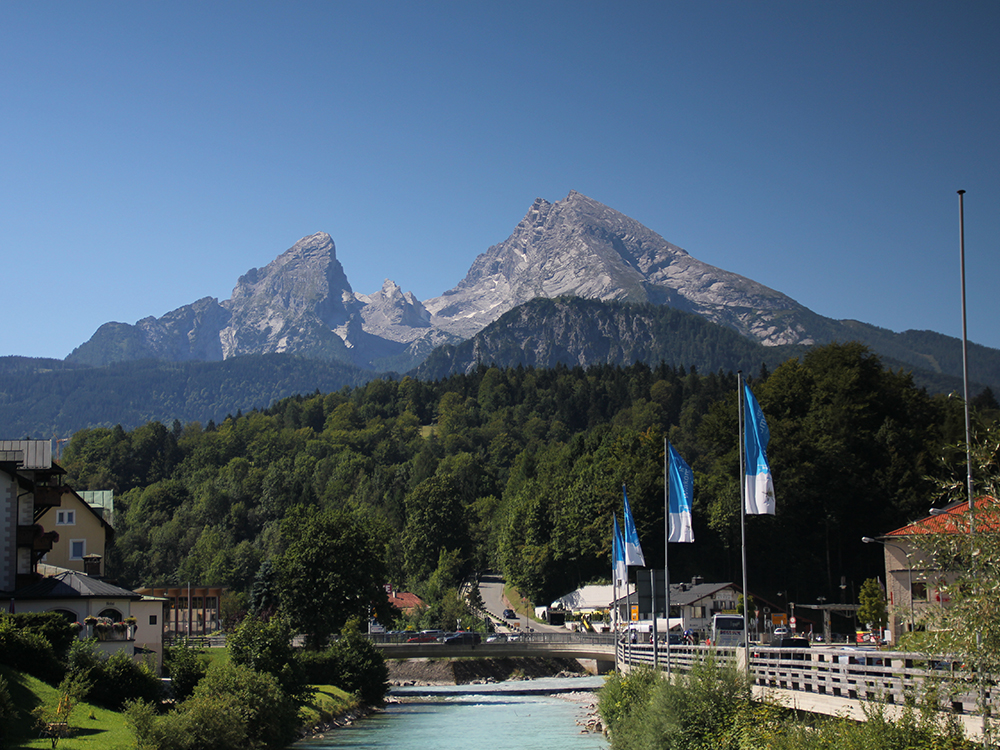
The Berchtesgadener Land in Germany is known for its impressive mountain landscape and the enchanting Königssee. It is a region with a rich history and beautiful nature. Less well known to the general public is the traditional craft that has been practised here for centuries: Berchtesgadener War. The word “War” means “wares” and refers to a wide range of handmade products, ranging from toys to household items. The traditionally painted and handmade figurines, ladles and boxes are still made here with great love and craftsmanship.
Berchtesgadener War
Berchtesgadener handicrafts date back to the 16th century. Poor farmers had little work in winter, so they looked for ways to earn an income. Wood was plentiful and there was a demand for toys and household items. In the snow-free months, peddlers carried the goods on foot, with a large “rucksack”, to towns and villages to sell them there. The Berchtesgadener War was sold as far south as Venice and as far north as Munich, Nuremberg and Regensburg. One of the most famous peddlers was Anton Adner. While knitting, usually socks, he walked from town to town to sell his wares. His grave can still be found in the old cemetery in Berchtesgaden.
Arschpfeifenrössl
The Berchtesgadener War mainly included toys and household items. Beautifully decorated ladles and storage boxes, horses, carriages, birds and many more small wooden figures. One of the most famous toy figures is the “Arschpfeifenrössl,” or “Oaschpfeifirössl” in Bavarian. A little horse with a rider and a whistle for a tail. This wood carving used to be very popular and is now back in vogue. Since 2010, the “Oaschpfeifirössl” has also been used as a symbol of the Advent season in Berchtesgaden.
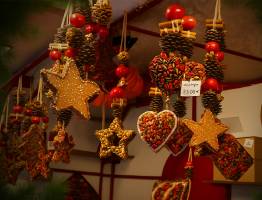
Unfortunately, demand for wooden toys declined when tin toys appeared on the market. Fortunately, artist Anton Reinbold came up with a saving solution: Christmas decorations. In this way, the colourful figures remained useful and Christmas trees are still decorated with this beautiful handicraft today. In fact, they are becoming increasingly popular.
Traditional Easter eggs
Traditionally made decorations are not only popular at Christmas, but you can also indulge yourself at Easter in Berchtesgaden. Here you can still find real, hand-decorated wooden Easter eggs. The wooden eggs are made by a wood turner from Ramsau, after which they are hand-painted in a craft shop in Berchtesgaden, among other places. So you can decorate both your Christmas tree and your Easter branch with Berchtesgadener handicrafts.
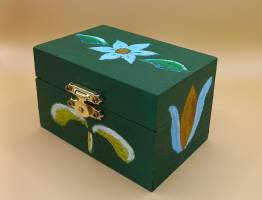
Anyone visiting the Berchtesgadener Land will undoubtedly come face to face with the traditional Berchtesgadener War. The craftspeople in this region are proud of their craft and their products and uphold a centuries-old tradition. From colourful toys to painted Easter eggs, the handicrafts from Berchtesgaden keep a piece of regional culture alive.